Why we started AtmoCare
AtmoCare brings researchers, project teams and the public together to test and support practical environmental solutions. Here’s how we’re starting and what we want to learn.
In mid-2025, we began giving AtmoCare a formal structure. The idea had been taking shape for a while. We wanted a foundation that could bring together the people studying environmental problems, the teams building solutions, and the public that can help put those solutions to work.
We started with a practical question. If you want to help with climate change, how do you tell which projects are ready for support? It takes time to understand the science, find out what has actually been tested, and see what a team still needs. AtmoCare exists to make that work easier for everyone involved.
Start with the work already underway
People are already working on ways to restore damaged ecosystems and remove carbon from the atmosphere. Some teams have early prototypes. Others have field experience and need support to measure what they are seeing. We want to get to know those teams, understand their work, and help them take the next useful step.
That means asking straightforward questions. What are you measuring? How can we tell if the project is helping? What would it take to repeat the result somewhere else? The answers can guide where we put time and money. They can also help a promising team decide what to test next.
Make the science accessible
Researchers and practitioners bring different kinds of knowledge. The public brings another ingredient: the ability to fund work, take part locally, and ask questions that help teams explain what they’re doing. We want people to be able to read a project update and understand what happened, what the numbers tell us, and what the next round of funding would help achieve.
We’ll share the stage each project has reached. An idea deserves a fair test. A field observation can guide the next measurement. A result that holds up over time is a stronger basis for expanding the work. Each step gives us something we can share in plain language.
Build experience before we scale
Super-Forest is one example of the kind of research we want to support. It asks what changes when we pay attention to the soil and the ecosystem around the trees from the start. Small trials let us learn what’s worth measuring before committing resources to a larger effort. We’re also interested in other approaches to carbon removal and ecosystem restoration, because different places will call for different solutions.
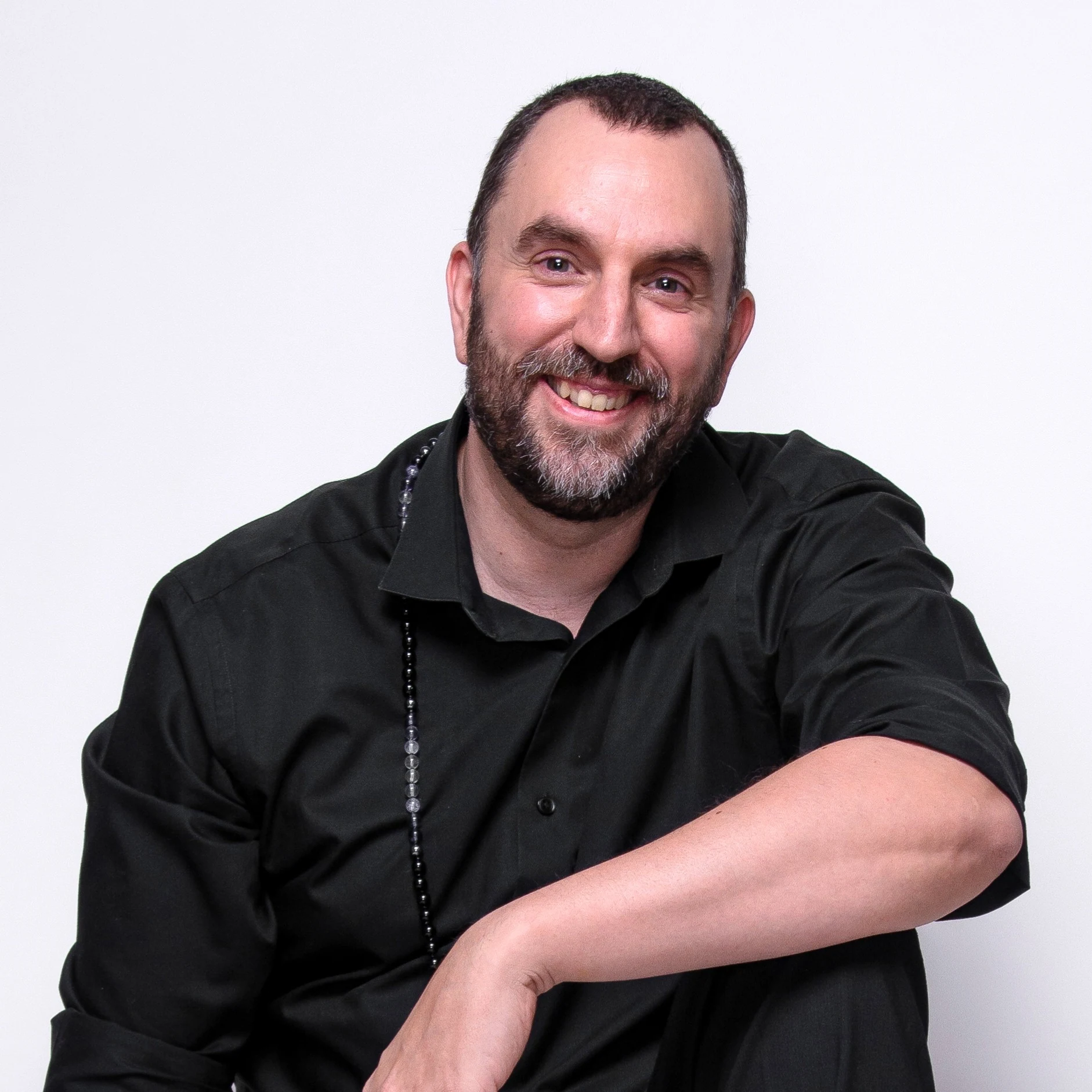
François Lépine leads the foundation alongside people with experience in project management, architecture, nonprofit work, and other practical fields. Bringing those perspectives together helps us think through how a project gets from an idea to a field test and from a field test to work other people can build on.
AtmoCare’s first job is to build relationships and help good projects move forward. What we learn from that work will help us decide which projects to develop ourselves and how to test them. If you want to see where we’re starting, you can explore our projects or learn more about the foundation.
People behind AtmoCare
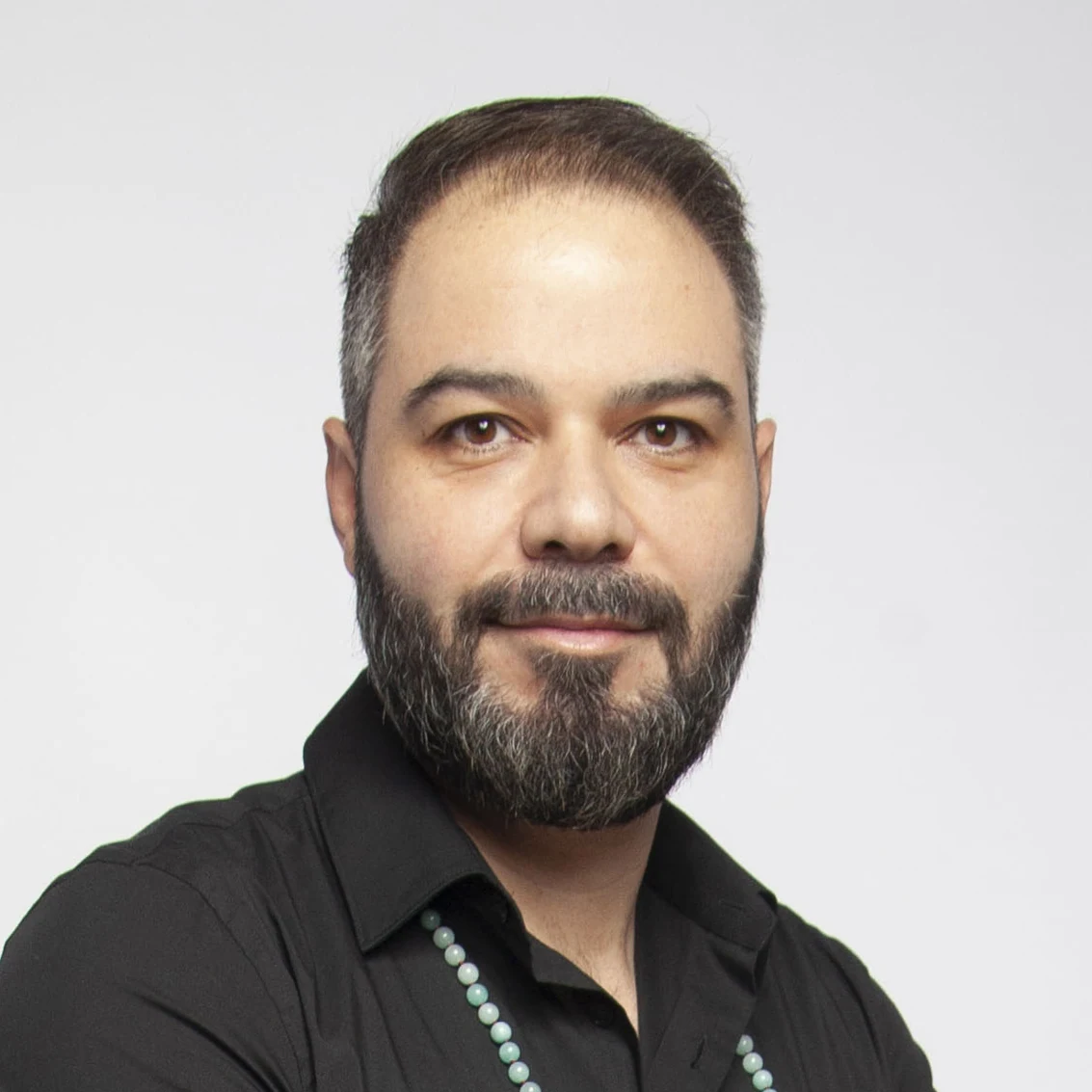
Carlos Palmero (Shivagam)
Foundation secretary
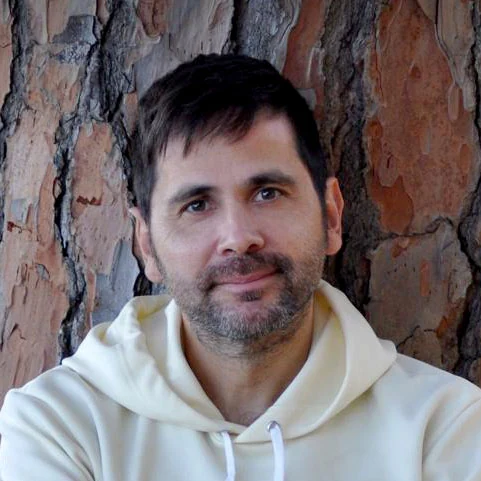
Juan Condal
Co-founder and vice-president
Image source · AtmoCare portrait of François Lépine
← Articles